




Investments
Investing in infrastructure
An introduction to investing in infrastructure
Infrastructure is the backbone of our modern society. It's the transport that get us where we need to go, the energy grids that power our homes, the communication networks that keep us connected, the schools that educate our children, and the facilities that treat our water. It is, in essence, all the systems and structures that make our daily lives possible.
As our world evolves, so does our need for infrastructure
The demand for better transportation, reliable energy sources and sustainable solutions is on the rise. Governments worldwide recognise the importance of infrastructure in fostering economic growth, improving public well-being, and addressing pressing global challenges like climate change and income inequality. The cost of delivering this infrastructure is considerable and highlights the need for the private sector and public sector to work in partnership.
OECD estimate (per year up to 2050)
$ 6.9 tn
Investment needed to meet development goals *
The Organisation for Economic Co-operation and Development (OECD) estimates $6.9 trillion per year up to 2050 for investment in infrastructure to meet development goals and create a low-carbon, climate-resilient future.
* View source here
Infrastructure categories
Infrastructure as an alternative asset class encompasses investment in the facilities, services, and assets considered essential to the functioning and economic productivity of a society. The infrastructure market comprises a wide variety of industries and sectors, each categorised as either social and public or economic and demand based infrastructure.
Social and public infrastructure
Social infrastructure comprises essential facilities and services that directly impact our daily lives, including educational institutions, healthcare centers, and community spaces. On the other hand, public infrastructure refers to other key systems such as transportation networks, utilities, and communication services.

Both types of infrastructure are crucial for societal well-being and economic development. In the context of investment, partnerships between the public sector and private investors play a pivotal role in developing and sustaining these vital infrastructure components. These partnerships create some unique characteristics for social and public infrastructure projects.
There are several ways of structuring and financing social and public infrastructure investments, with most common summarised below:
- Public-Private Partnerships: Public-Private Partnerships ('PPPs') are collaborative ventures between the government and private entities. In a PPP, private investors fund and manage public infrastructure such as building hospitals, schools, or transportation networks. These partnerships blend the efficiency and innovation of the private sector with the public interest focus of the government. Returns typically come from service fees or availability payments made by the government, making it a socially impactful investment opportunity.
- Regulated: Regulated infrastructure includes essential services critical for daily life, such as utilities (water, electricity, gas), where access and pricing are regulated by government bodies. The provision and pricing of these services are overseen and controlled by government authorities to ensure fairness and accessibility. This regulatory framework provides stability and predictability for both service providers and investors, making it a reliable avenue for long-term investments. Returns in regulated infrastructure typically derive from user fees or tariffs established within the regulated framework, providing a consistent income stream.
Economic and demand-based infrastructure
Economic and demand-based infrastructure investments are tied to economic activity and population growth. These assets and businesses, like airports and ports, thrive on the increasing demand driven by a growing economy. As more people travel, commute, and engage in commerce, the demand for such infrastructure rises. Returns from economic and demand based investments often come from usage fees, tolls, or other user-based revenue models. They are exposed to levels of demand risk.
Investment strategies
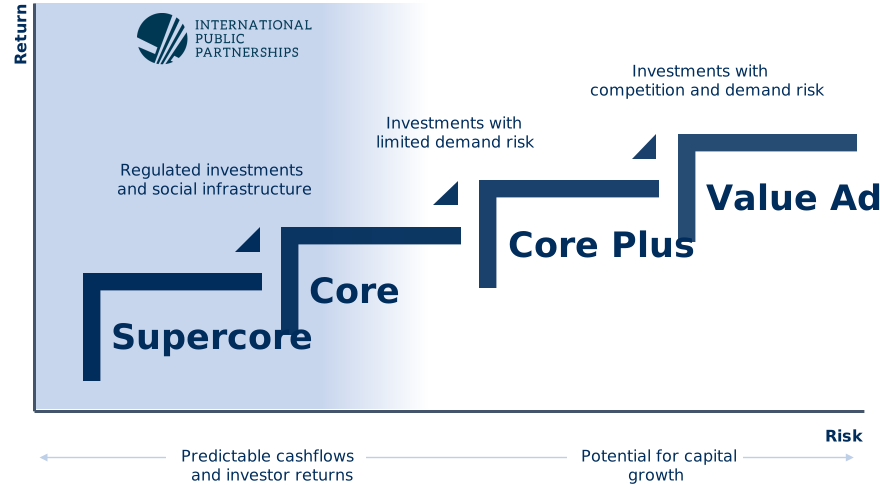
Infrastructure investment can also be classified into different categories based on their risk and return profiles. These are generally referred to as supercore, core, core plus and value add. Social and public infrastructure may also be classified as supercore infrastructure, but may include some elements of ‘core’ in some circumstances.
Why invest in infrastructure
Low volatility and correlation to GDP
Infrastructure assets boast low volatility due to their inelastic demand, stable cash flows, economic resilience, and long-term investment horizon. These attributes collectively contribute to a portfolio marked by stability. Investments in infrastructure have historically exhibited lower levels of correlation with GDP movements, making them a preferred choice for risk-adjusted returns compared to alternative investments.
Inflation hedge
Infrastructure assets are often wholly or partially linked to inflation, providing a natural hedge against rising prices.
Diversification
Infrastructure assets stand apart from major asset classes and listed markets. Their regulated or contracted nature and often monopolistic position insulate them from broader market fluctuations, enhancing portfolio diversification.
Serving essential needs
Infrastructure investments extend the opportunity to support vital societal services, aligning with robust environmental and social development objectives.
INPP is a listed infrastructure investment company that invests in global social and public infrastructure assets and businesses, which meets societal and environmental needs, both now, and into the future.
Total number of investments
130 +
Infrastructure assets and businesses
INPP is a responsible, long-term investor in over 130 infrastructure assets and businesses. The portfolio consists of energy transmission, transport, education, health, justice and digital infrastructure investments, in the UK, Europe, Australia, New Zealand and North America. We aim to provide our investors with stable, long-term, inflation-linked returns, based on growing dividends and the potential for capital appreciation.
To understand the reasons for investing in infrastructure and INPP in more complete detail, see our reasons to invest.
Related case studies
-
 Energy TransmissionGas DistributionWaste Water
Regulated Asset Base Model
UKBoth operational and under construction -
 Transport
BeNEX
Various, GermanyOperational -
 Other
OtherDanish Public-Private Partnerships Projects
Various, DenmarkOperational -
 Energy Transmission
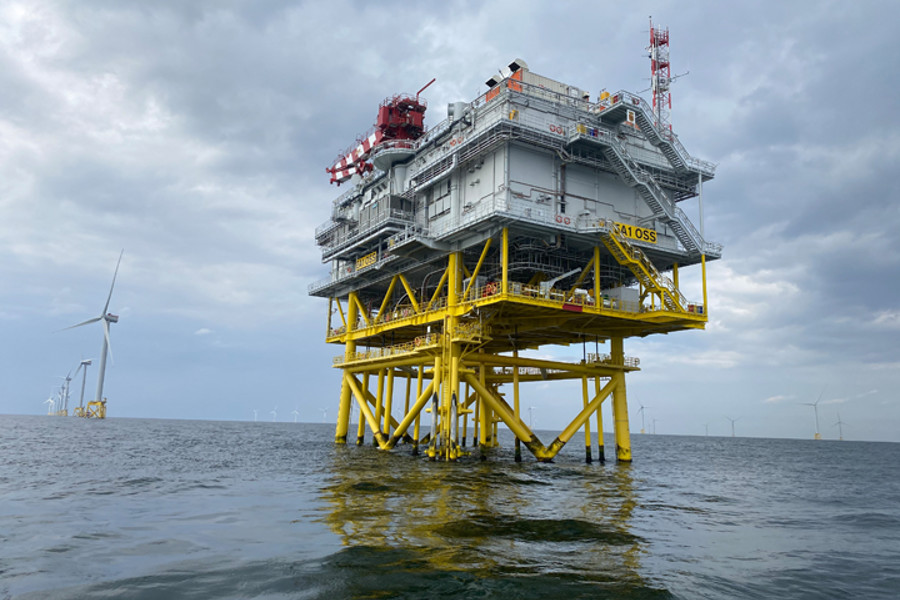
East Anglia One OFTO (‘EA1’)
Suffolk, EnglandOperational -
 Transport
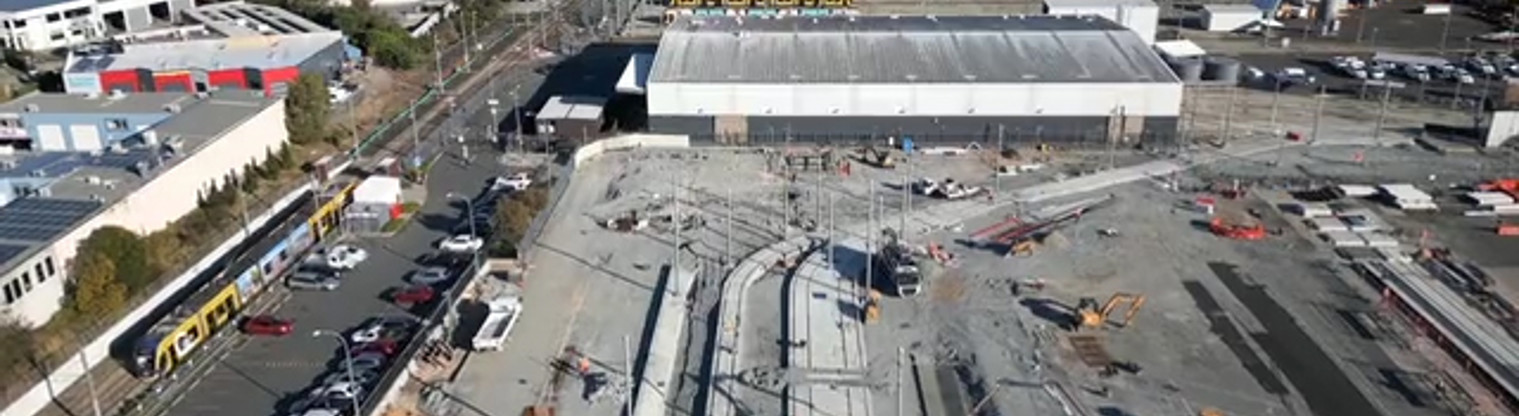
Gold Coast Light Rail
Queensland. AustraliaOperational