



Insights
How London’s new ‘super sewer’ Tideway Tunnel is redefining infrastructure investing
15 Aug 2025
-
The Thames Tideway Tunnel isn’t just the biggest upgrade to London’s sewerage system in over a century

Chris Morgan
Senior Investment Director
- Amber Infrastructure, Investment Adviser to INPP
It’s also a case study in how long-term private capital can deliver resilient infrastructure with stable returns and measurable environmental and social outcomes, providing a blueprint for the development of other initiatives that meet the needs of varied stakeholders.
London’s sewerage system was built in the mid-1800s and designed to serve four million residents. Although it remains in remarkably good condition, it was never designed to handle the demands of a modern city of approximately nine million people. The system has long been under pressure, and until recently, millions of tonnes of sewage spilled into the River Thames each year as heavy rainfall overwhelmed its capacity.
25 km
Tunnel length
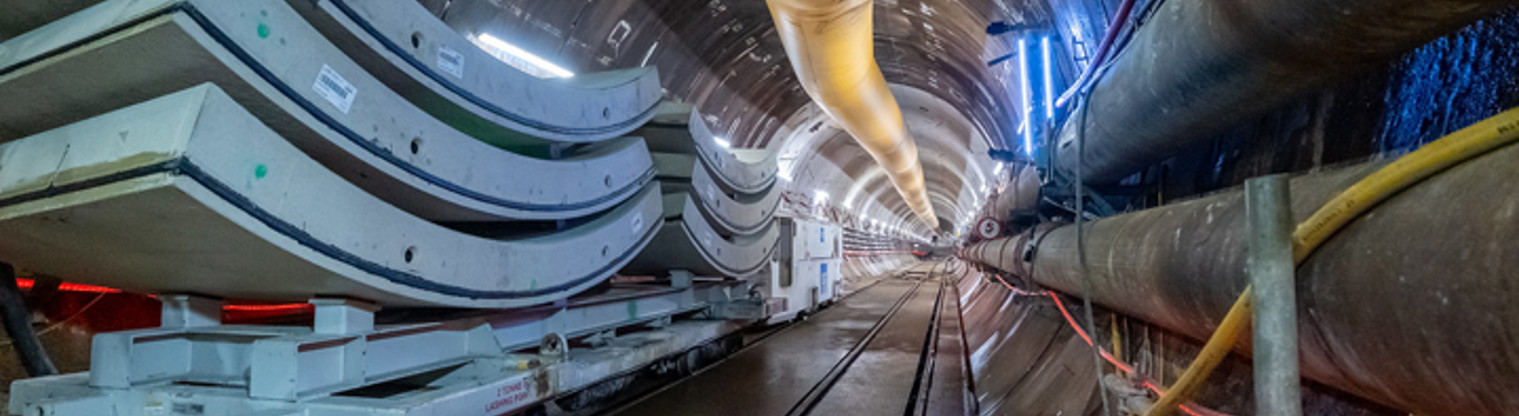
The solution was the Thames Tideway Tunnel, a 25-kilometre, gravity-fed tunnel running beneath central London for which construction activities began back in 2015. While the tunnel was fully connected to London’s existing sewer network in February 2025, it first started to protect the Thames in Autumn 2024 and since then the system has diverted enough sewage from the Thames to fill more than 2,800 Olympic-sized swimming pools.
While Tideway may not appear to be a glamorous infrastructure project, its environmental impact is significant. By improving the health of the River Thames, it contributes to the well-being of both people and wildlife. In addition, Tideway has had a wider social impact by using the Thames to transport material, bringing jobs and skills back to the river, partnering with local organisations, and creating new public spaces for people to reconnect with the Thames.
How the project creates value for investors
Despite the tunnel being geographically located within Thames Water’s jurisdiction, an innovative delivery model – which Amber helped develop – was used to deliver the project through a separate company, known as ‘Tideway’, in order to reduce the cost for billpayers.
Regulated by Ofwat (the Water Services Regulation Authority), Tideway was granted a licence in 2015 to design, build, finance and operate the tunnel.

The government agreed to provide support to Tideway during the construction phase to mitigate the risk of high-impact, low-probability events. This support was coupled with bespoke regulation that allowed the project to generate revenues from the start of construction, provided investors with greater certainty around the revenue stream by allowing a 15-year price control period with no regulatory reset, and included a cost-sharing mechanism through which cost overruns or savings could be shared between investors and billpayers.
Tideway does not send out bills itself, instead Thames Water has a legal obligation to collect amounts due to Tideway as part of its routine billing arrangements and pass those amounts on to Tideway (noting that Tideway is protected by legal and regulatory safeguards that are designed to keep revenues flowing even if Thames Water’s financial position were to change).
These factors ultimately enabled investors to better price the risks of the project, resulting in better value for money for billpayers.
Progress update
Commissioning of the Tideway system is scheduled to complete later this year, at which point the system will be handed over for Thames Water to operate as part of London’s wider sewerage network. Importantly, the impact on billpayers remains in line with original expectations.
Despite the project representing a monumental construction undertaking, the innovative delivery model meant the project fit the lower-risk appetite of International Public Partnerships (INPP) – the listed infrastructure fund advised by Amber – which currently owns c.18% of Tideway.
The investment is a prime example of how infrastructure can provide long-term, inflation-linked revenues, as well as important environmental and social benefits.

What might be the next Tideway?
Decades of underinvestment in UK infrastructure means that many existing assets are in urgent need of modernisation, upgrades and repairs. At the same time, rising expectations around sustainability and environmental performance are driving demand for new, future-ready infrastructure projects.
As set out in the 10 year infrastructure strategy recently published, the UK Government plans to fund at least £725 billion of economic and social infrastructure works over the next decade. With the UK government’s debt standing at c.96% of Gross Domestic Product (GDP) as of April 2025, and projected to rise, the scope for public spending is limited. Recognising this, the UK government is signalling a collaborative approach with the private sector and has shown openness to models like the one used to deliver Tideway and which unlock long-term capital through clear, well-regulated structures. This presents a significant opportunity for investors.
INPP focuses on relatively low-risk, essential infrastructure with predictable, inflation-linked cash flows. Its assets typically fall into two categories: availability-based, where revenues are linked to making the asset available for use, and regulated, where independent regulators ensure fair returns for investors. This disciplined approach has enabled INPP to deliver dividends to its investors that have grown every year since it was established back in 2006.
There is considerable potential to replicate the success of Tideway in other sectors. By continuing to work closely with public authorities, regulators and local partners, the infrastructure investment community can help identify and de-risk the next generation of UK infrastructure projects – projects that support national resilience, drive environmental progress and create long-term value for investors and society alike.
The Thames Tideway Tunnel demonstrates how infrastructure investment can be a powerful force for renewal, delivering essential services today while shaping a more sustainable and resilient tomorrow.