


Insights
The Energy Transition’s Picks and Shovels Opportunity: OFTOs
13 Feb 2026
By Jamie Hossain, Investment Director at Amber Infrastructure, Investment adviser to INPP
Clean energy investing is often framed around the obvious. Offshore wind turbines on the horizon; solar panels across rolling fields. These generation assets are rightly celebrated, a visible sign of the shift towards a lower-carbon energy system.
But generation is only one part of the equation. For renewable electricity to deliver real-world benefits, it must be transported efficiently and reliably from where it is produced to where it is consumed.
In the case of offshore wind, that task falls to transmission infrastructure owned and operated by Offshore Transmission Owners, or OFTOs. OFTOs rarely make headlines, but they sit at the heart of the UK’s energy transition and offer one of the most compelling, lower-risk ways to invest in clean energy today.
The role of an OFTO
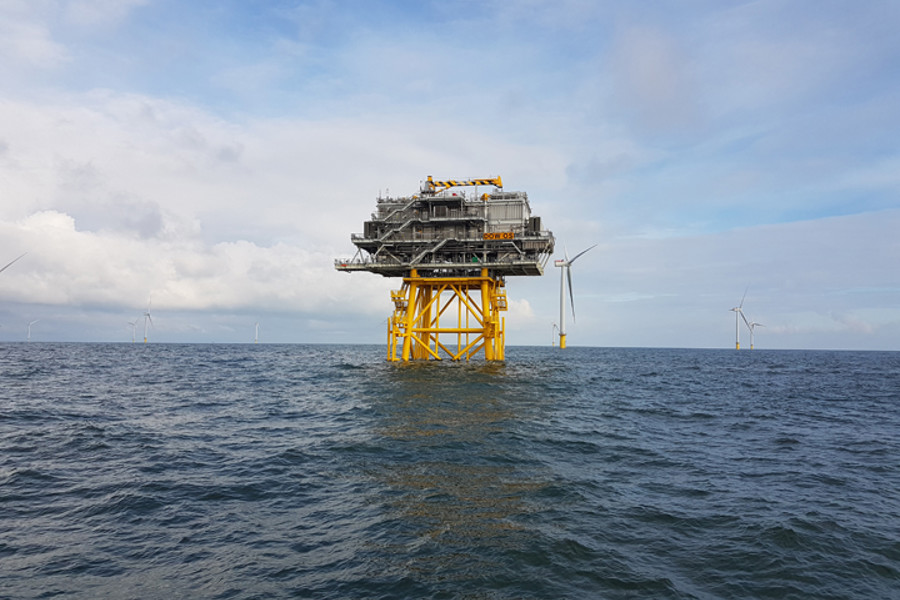
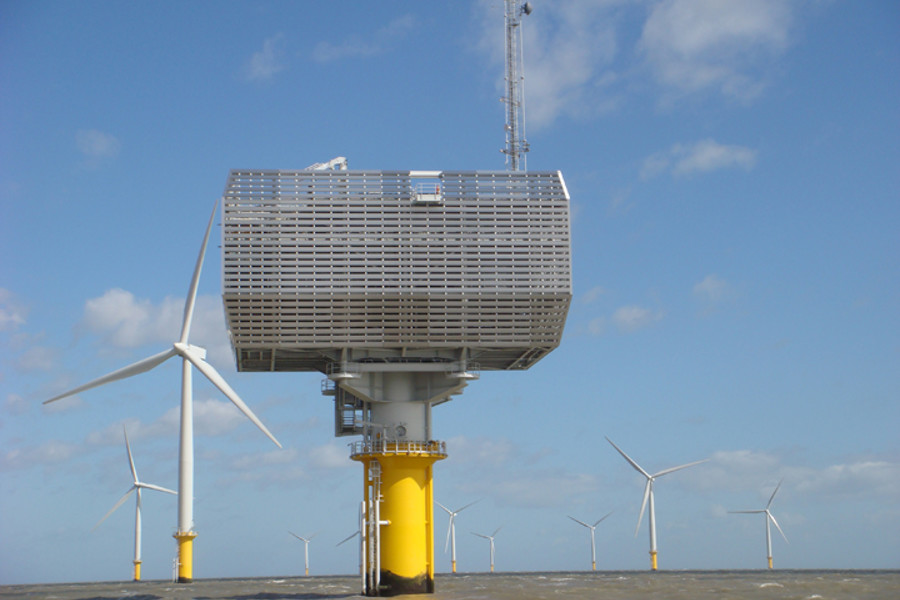
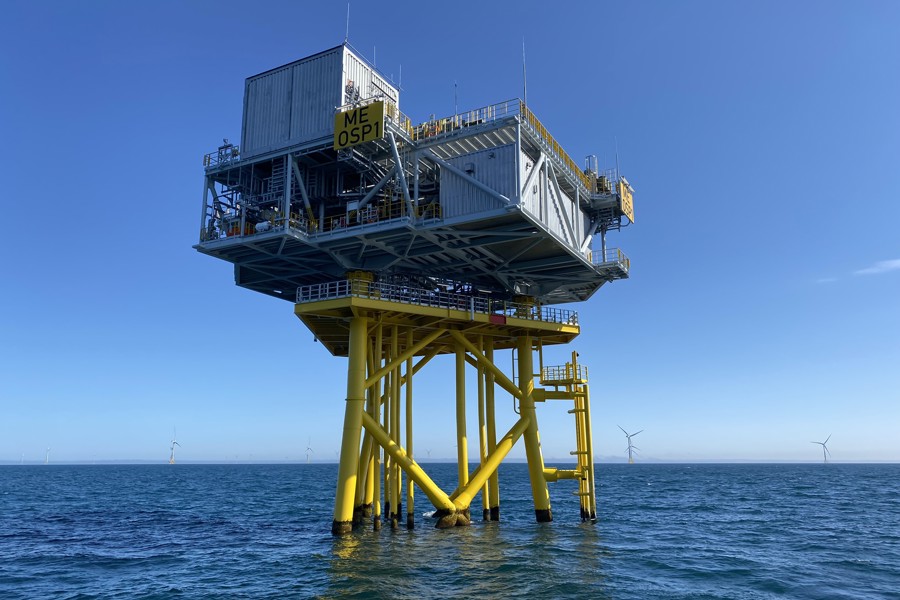
At its simplest, an OFTO owns, maintains and operates the electricity transmission assets that connect offshore wind farms to GB’s onshore grid network. These assets typically include offshore substations that step up and transform the generated electricity to transmission voltage, subsea cables running for tens of kilometres under the seabed, underground onshore cables that carry power from the landfall to the onshore substation, and onshore substations where power is fed into the wider onshore network for further transmission and distribution to UK homes and businesses.

A sector that’s grown quietly and quickly
Because offshore wind farms are built far out to sea, the electricity they generate must be transported onshore through dedicated transmission infrastructure. This creates, in effect, a single physical route to market for each wind farm, delivered through the offshore transmission assets owned and operated by OFTOs. while these assets may not capture the public’s attention in the same way as the wind farms themselves, they are mission-critical to ensuring that offshore renewable power can reach the national grid.
The OFTO regime has expanded rapidly over the past decade, mirroring the UK’s growth as a global offshore wind leader. Today, the UK has more than 16 gigawatts of installed offshore wind capacity – enough to power more than 16 million homes each year – set to increase as energy security and net zero dominate the policy agenda.
Each new offshore wind farm needs a transmission link. Typically, developers build those assets as part of construction, before selling them through a competitive tender run by the energy regulator Ofgem. The successful bidder becomes the OFTO, taking ownership of the transmission infrastructure for the long term.
There is also an alternative ‘OFTO-build’ model, where an OFTO is appointed to build a wind farm’s transmission assets directly. While it hasn’t yet been used in practice, it may emerge as the offshore grid becomes more integrated and complex.
Either way, the direction of travel is clear: more offshore wind means more OFTOs.
A different way to access the energy transition
At International Public Partnerships (INPP), we focus on infrastructure assets that deliver long-term, stable and inflation-linked income with a strong public purpose.
OFTOs align closely with that strategy. They provide direct exposure to the energy transition megatrend, without the volatility risks typically associated with generation assets. While many investors are understandably drawn to wind farms themselves, our view is that transmission assets offer a more attractive and reliable risk-adjusted return.

Once built, OFTO assets are highly resilient. They are subject to a robust regulatory framework and play an essential role in the functioning of the energy system. The availability-based revenue model means investor returns are driven by asset availability rather than by power process, generation levels or wider market conditions. This distinction has become increasingly valuable in a more volatile macroeconomic environment.
There is also a clear ESG dimension. OFTOs enable offshore wind power to reach consumers at scale, contributing to decarbonisation and energy security goals.
INPP’s investment advisor, Amber Infrastructure, consulted on the design of GB’s OFTO regime and was there when the first auctions launched. In fact, INPP won ownership of GB’s first three OFTOs and today holds the largest portfolio by number with eleven OFTOs and is currently preferred bidder on a twelfth. To date, INPP has connected more than 4GW of offshore wind to the national grid with an average availability of 99.9%. This has enabled the supply of green electricity to power the equivalent of over 3.7 million UK homes a year whilst delivering inflation-linked, availability-based revenues for investors.
Built to last - and built to pay
As we work to deliver a more secure, low-carbon energy system, attention will understandably remain focused on scaling renewable generation. But that ambition can only be realised if the transmission infrastructure connecting those assets to the grid keeps pace.
OFTOs are a critical part of that equation. They provide the infrastructure that enables offshore wind power to reach the onshore network, and their regulated, availability-based model offers investors a relatively low-risk and resilient way to support the clean energy transition while quietly underpinning the continued rollout of offshore wind. Put quite simply, the investment rationale is a powerful one – possibly as powerful as the wind turbines that OFTO assets connect.